The Mind
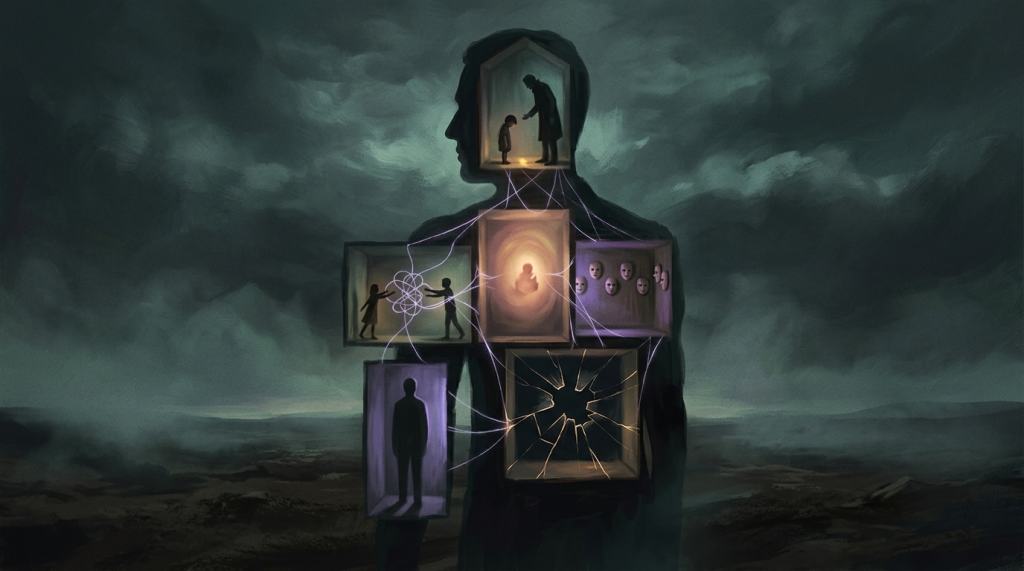
“I’m fine, I can do this myself, I don’t need your help.”
Most of us have said it so often we’ve stopped noticing it isn’t always true.
This is where The Plants Talk looks at what’s going on underneath: the anger that arrives out of nowhere, the numbness, the silence at home, the feeling of going through the motions, the same fight with a different person. Not as a list of symptoms, and not as a history of ideas, but as experience worth decoding: what it is, where it comes from, and what it’s trying to tell us.
Does any of this sound familiar?
- You feel flat or numb, and can’t say why.
- Anger comes fast, and it’s bigger than the situation.
- You’re the one everyone relies on, and nobody asks how you are.
- You say yes when you mean no, because being useful is how you earn your place.
- You hear your father’s voice coming out of your mouth.
- You grew up around someone who made everything about them.
- Work is going well and you feel empty.
- You pull away when someone gets close, or cling when they pull away.
- You can’t remember the last time you cried, or you can’t stop.
- Different relationship, same ending.
If so, you’re not broken. Most of this has a logic. It formed for reasons, usually early ones, and it can be understood.
Why I write about this
I write about this because I’ve lived it. I eventually saw my father’s patterns repeating in me, and it affected both of our relationships. After watching my parents’ marriage end, and then my own relationship end through the same repetitive patterns, I decided to get to the root cause and piece the jigsaw together. It took a lot of self-analysis, self-awareness, and looking back at my past to understand that there are many facets, and that they’re connected. Our upbringing. Our relationship with our father. Where our anger comes from. How it was passed down from generation to generation, and the patterns that we, our fathers, our grandfathers and our great-grandfathers keep repeating.
It’s an interconnected web, and it runs deeper than one lifetime. The mind has roots.
What this section is for
We use psychology and psychoanalysis as tools, not as a syllabus. Ideas like the unconscious, attachment and the shadow only matter if they help explain something you’re actually living, so they’ll come up when they’re useful, and only then. Alongside them we bring in neuroscience, evolution and plant medicines, because the mind has more than one story. Some pieces rely on research. Others are personal, or a slow deep dive into one experience. Others may give us insights into what we’ve been ignoring. Each one says which.
Six ways into the mind
None of these sits alone. The father we had shapes the rules we learned about feeling. Those rules shape who we think we’re allowed to be. What overwhelmed us and went unsupported becomes trauma, and what we couldn’t face becomes shadow. And all of it arrives, unannounced, in the people we love. That’s why the same patterns turn up in different places: a temper at work, a silence at home, the same ending in different relationships. Pull on one thread and you find the others. Start wherever it hurts most. You’ll end up in the rest.

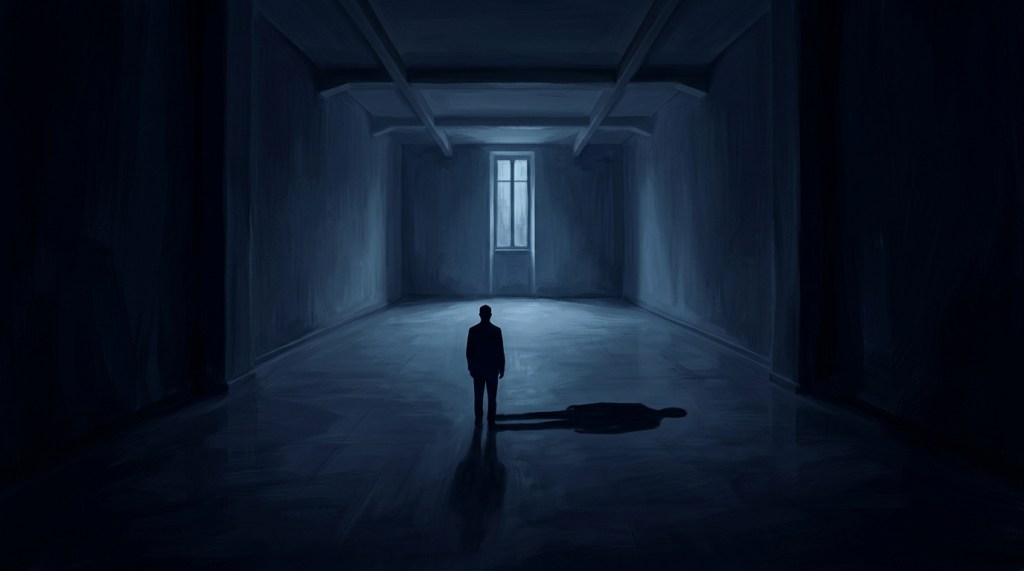
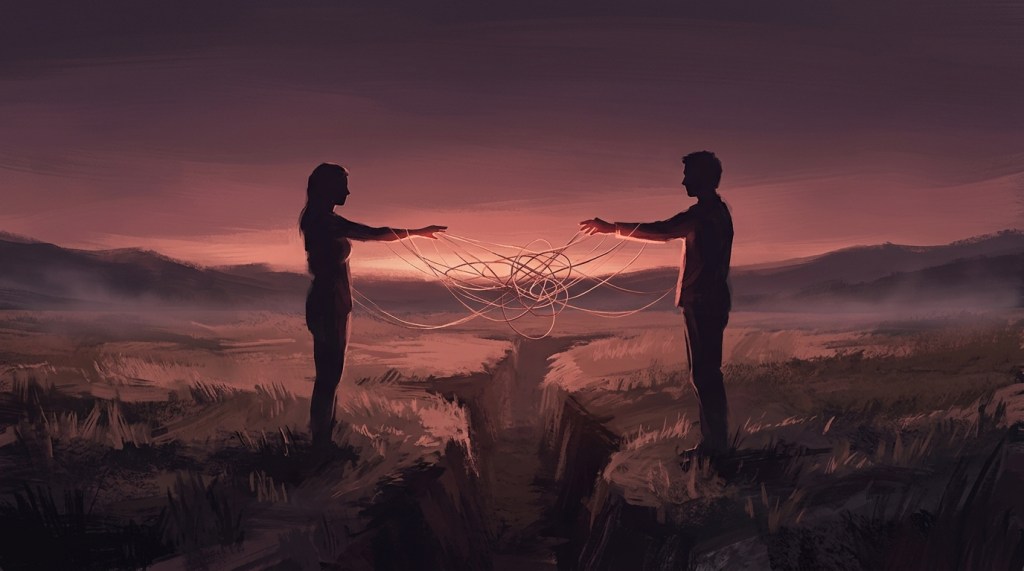
Not sure where to start?
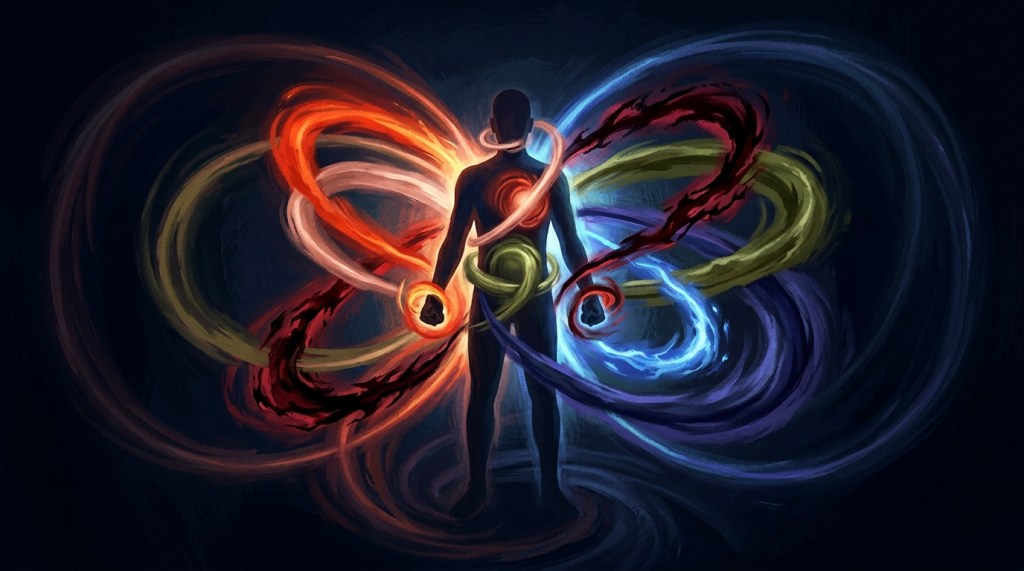
- Angry or numb and don’t know why → Emotions and the body
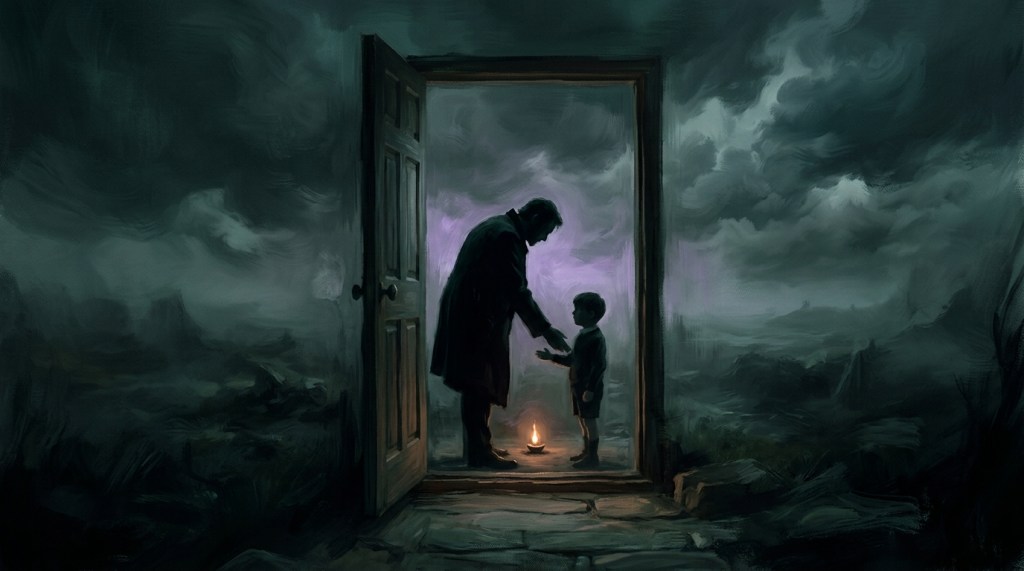
- Hearing your father’s voice in your own → Fathers and family
- Same relationship, same ending → Relationships and intimacy
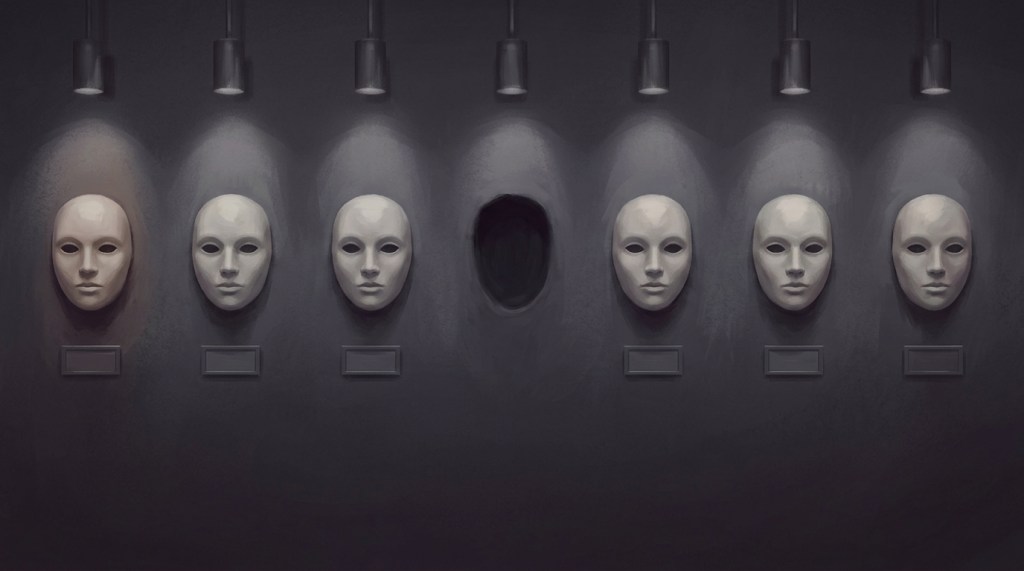
- Successful on paper, empty inside → Identity
- Something from the past still runs the show → Trauma
- Doing things you swore you wouldn’t → The shadow and the unconscious